
Can a Smile Makeover Brighten a Dull Smile?

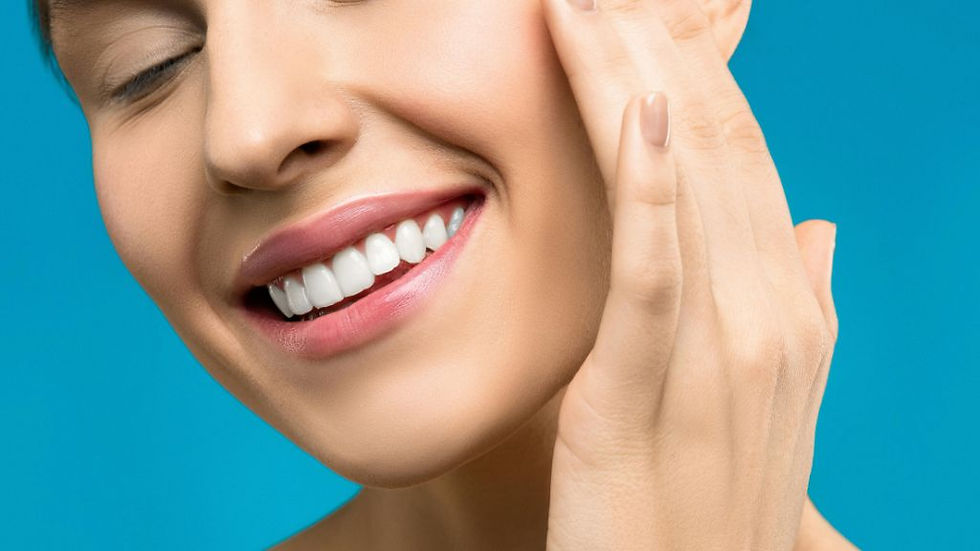
A dull smile is one of the most common concerns people bring to a dental consultation. Whether it's caused by years of discoloration, chipped teeth, uneven spacing, or simply the natural effects of ageing, many people feel self-conscious about the way their smile looks.
If you've been wondering whether a smile makeover in Sydney could help address these concerns, you're not alone. This is a question that comes up regularly for patients who feel their smile no longer reflects how they feel on the inside.
This article explains what a smile makeover typically involves, which treatments are commonly used to address a dull or tired-looking smile, and what to consider before starting the process. The goal is to give you clear, factual information so you can make an informed decision about your dental care.
How Does a Smile Makeover Improve Your Smile?
A smile makeover is not a single treatment. It is a coordinated approach to improving the overall appearance of your smile using a combination of cosmetic and restorative dental procedures.
At Hyde Park Dental Care, dentists will assess multiple factors including the shape, size, colour, and alignment of your teeth and develop a personalised treatment plan based on your specific concerns and goals.
Common concerns that lead people to consider a Smile Makeover in Sydney include:
Yellowed or stained teeth
Chipped, cracked, or worn enamel
Gaps or spacing issues
Uneven gum lines
Missing teeth
Old or discoloured dental restorations
Because every smile is different, the combination of treatments recommended will vary from person to person.
Why Do Smiles Become Dull Over Time?
Understanding why a smile loses its brightness can help you make sense of which treatments may be relevant to you.
Enamel wear and ageing play a significant role. As enamel thins over the years, the darker dentine beneath becomes more visible, giving teeth a yellowed or greyish appearance.
Dietary habits also contribute. Regular consumption of coffee, tea, red wine, or highly pigmented foods can gradually stain the outer surface of teeth. Smoking is another well-documented cause of surface and deep staining.
Previous dental work, such as older composite fillings or crowns, can discolour over time and may no longer match the surrounding teeth.
Trauma or grinding can cause visible chips, micro-cracks, or flattening of the biting edges, which changes the way light reflects off the teeth and contributes to a tired appearance.
Identifying the cause of your particular concern is an important part of planning any cosmetic treatment.
Treatments Commonly Used in a Smile Makeover
A smile makeover may draw on several different procedures, depending on what your dentist identifies during the assessment.
Teeth Whitening
Professional teeth whitening is often one of the first considerations for patients with surface or intrinsic staining. In-chair whitening treatments may help lighten the shade of natural tooth enamel over a single appointment.
Take-home whitening kits, prescribed by a dentist, offer a more gradual approach. It is worth noting that whitening does not change the colour of existing crowns, veneers, or fillings, which is why it is often planned as part of a broader treatment sequence.
Dental Veneers
Porcelain veneers are thin shells bonded to the front surface of teeth. They may help address concerns such as discoloration that does not respond to whitening, chipped or worn edges, minor shape irregularities, or small gaps between teeth.
Veneers are a longer-term cosmetic option and require some preparation of the tooth surface. Your dentist in Sydney will discuss whether they are appropriate for your situation.
Composite Bonding
Dental bonding involves applying a tooth-coloured resin material to the surface of a tooth to reshape or repair it. It is a more conservative option than veneers and is often used for minor chips, surface imperfections, or small gaps.
Composite bonding is generally completed in a single visit and does not require significant alteration of the natural tooth.
Crowns and Bridges
For teeth that are significantly worn, cracked, or damaged, a dental crown may be recommended. Crowns cover the entire visible portion of a tooth and can restore both appearance and function.
Bridges may be considered where one or more teeth are missing and implants are not suitable or preferred.
Gum Contouring
In some cases, the appearance of a dull or uneven smile is related less to the teeth themselves and more to the shape of the gum line. Excess gum tissue can make teeth appear short or uneven. Gum contouring is a procedure that reshapes the gum line to create a more balanced appearance.
How Is a Smile Makeover Planned?
A smile makeover begins with a thorough consultation and examination. Your dentist will assess the current condition of your teeth and gums, discuss your concerns, and explain which treatment options may be relevant.
Some practices use digital smile design tools or mock-ups to give patients a visual idea of potential outcomes before any treatment begins. This can help you feel more informed and confident in your decision-making.
Treatment is typically sequenced to address any functional or health concerns first such as decay, gum disease, or bite issues before cosmetic procedures are carried out.
A personalised treatment plan may span several appointments, depending on the number and type of procedures involved.
FAQ
Is a smile makeover only for cosmetic reasons?
Not necessarily. While the primary goal is often aesthetic, many of the treatments involved such as crowns, bonding, or gum treatment also address functional concerns. Repairing a cracked tooth or replacing a missing one supports oral health as well as appearance. Your dentist will assess both aspects during your consultation.
How long does a smile makeover take?
This depends on the number and type of treatments involved. Some smile makeovers can be completed over a few appointments, while more complex cases involving multiple procedures may take several months. Your dentist will provide an estimated timeframe as part of your treatment plan.
Will the results look natural?
Modern dental materials and techniques are designed to blend with the natural appearance of teeth. The goal of a well-planned smile makeover is to create a result that looks balanced and in proportion with your face, not an obvious cosmetic change. Discussing your expectations clearly with your dentist during the planning stage is important.
Is everyone suitable for a smile makeover?
Not all treatments are appropriate for every patient. Suitability depends on the current health of your teeth and gums, your bite, your oral hygiene habits, and other individual factors. Some patients may need preparatory treatment before cosmetic procedures can begin. A thorough dental assessment is the first step.
Conclusion
A dull or tired-looking smile can have a range of causes, and there is no single solution that suits every patient. Understanding what a smile makeover involves and which treatments may be relevant to your situation is an important first step before making any decisions.
If you've been considering your options and would like a professional assessment, a qualified dentist can discuss your concerns and explain which treatment options may be suitable for your smile.
Booking a consultation is the most practical way to receive clear, personalised guidance based on your individual dental health.


A helpful guide for anyone looking to improve a dull smile. Teeth Whitening can be a simple option for achieving a brighter-looking smile.
This is a helpful and informative guide on how a smile makeover can refresh a dull smile. The discussion of teeth whitening, veneers, bonding, and other options makes it easier to understand the choices available. For those searching for Teeth Whitening near Me, this is a great starting point.